Professional Airflow Missoula HVAC
Looking for reliable Missoula HVAC air balancing professionals? Our team delivers accurate airflow testing, pressure measurements, and comprehensive adjustments that fix hot/cold spots, quiet hissing vents, and cut energy costs. Our pros employ calibrated manometers, airflow hoods, and thermal imaging to calibrate dampers, configure blower speeds, and verify results. Receive flat-rate estimates, clear communication, and a concise report with prioritized fixes. You'll preserve your equipment, balance humidity, and improve comfort across zones. Read on to learn what to expect and how to pick.
Essential Points
- Licensed Missoula professionals balance and optimize airflow between rooms to remove hot and cold spots and lower energy costs.
- Thorough system evaluation: airflow and static pressure measurements using professional equipment like industry-standard testing equipment, with full documentation of initial and final readings.
- Upfront pricing: fixed-rate quotes, detailed scope, and distinct authorization for repairs outside of balancing
- We perform on-location modifications to blower speed, dampers, and registers, featuring verified rechecks and an in-depth written report.
- Reliable local scheduling: including specific arrival windows, typical visits lasting 1.5-3 hours, and a detailed preparation checklist for efficient service.
The Importance of Air Balancing in Missoula's Climate
Despite Montana's significant temperature variations, you can keep your home cozy by optimizing airflow between spaces. In Missoula, air balancing is crucial; it's how you fight uneven temperatures, drafts, and stale pockets during mountain inversions. When winter conditions lock pollutants low, effective supply and return flows help clean and move indoor air, so you experience fresher air. You'll also safeguard your system from straining, reducing noise and energy costs.
Even air distribution plays a vital role for managing winter humidity. In the absence of balanced pressure, dry air moves unpredictably, causing static charges, skin dryness, and wooden surface contraction. By correctly adjusting ventilation components, moisture regulation becomes more consistent, and warmth distributes evenly across every story of your house. The outcome includes improved system durability, uniform comfort in all areas, and optimal return on your investment.
How to Tell When Your Building Needs Air Balancing
Although comfort issues can have multiple causes, specific indicators point to airflow imbalance issues. You may observe inconsistent temperatures across levels, with upper floors running hot while lower levels stay chilly. Individual rooms fail to achieve comfort levels, while air registers make excessive noise. Persistent drafts and door problems appear when your system runs. Your HVAC system constantly starts and stops, yet power consumption grows higher.
Find some air vents barely pushing air while others blow too strongly. Dust accumulates rapidly, and unpleasant odors persist longer than expected. You struggle with inconsistent moisture levels or moisture on windows. Air filters clog up fast, indicating air infiltration from attics or crawlspaces. Air registers look unclean even after maintenance. When renovations have changed your floor plan or added new HVAC components, anticipate pressure problems and uneven heating or cooling.
The Professional Air Balancing Process
Prior to starting any work, a professional technician initiates comprehensive diagnostics: they assess supply and return airflow at each register, the system's static pressure, and temperature differential across the coil. Based on these readings, they compare the readings against design specifications, then chart flow inconsistencies by room and branch. Next, they calibrate the dampers, grilles, and blower settings to meet designed airflow specifications.
Where particular sections continue to lag, they propose zoning solutions to guarantee each zone receives optimal air circulation as required. They further investigate air escaping and heat transfer issues, suggesting duct insulation or air leak repairs to ensure steady airflow. Lastly, they verify the changes by reassessing air distribution and pressure levels, confirm comfort in all areas, and record system parameters so you can sustain consistent efficiency season after season.
Equipment and Tests Our Professionals Use
Once imbalances are mapped and specific adjustments are made, the next phase involves using appropriate testing equipment to check here validate the changes. You'll observe technicians using precision manometers to assess pressure levels, ensuring your system meets manufacturer specifications. They'll utilize air capture hoods and velocity meters to measure airflow volumes at all vents, then compare these measurements against the intended design parameters.
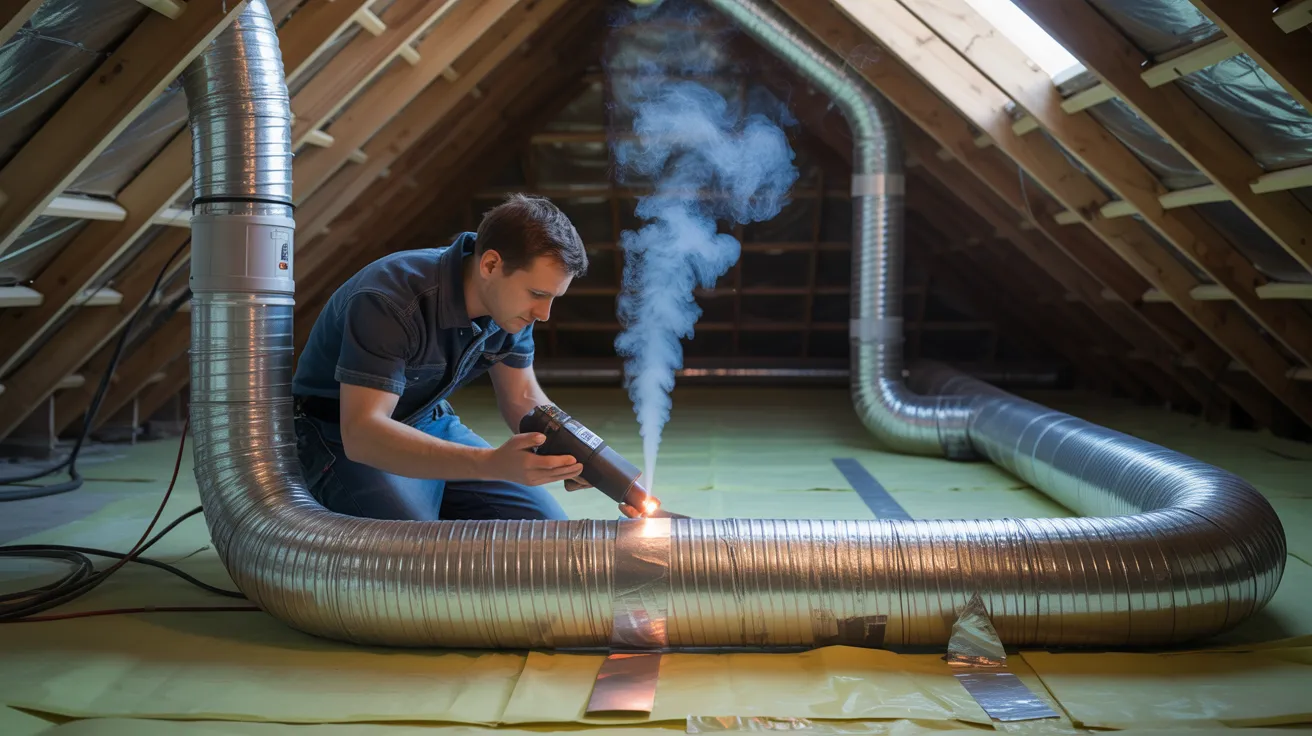
To expose problematic leaks, technicians utilize duct testers to create positive or negative pressure in ductwork and measure air escape in CFM. Infrared imaging equipment easily reveal thermal differences, insulation gaps, and leaking connections concealed in the structure. Environmental monitors track and record temperature and humidity patterns during system operation, verifying control effectiveness. Additionally, airflow indicators demonstrate airflow distribution, confirming that airflow adjustments are optimally adjusted for even and efficient air distribution.
Air Circulation Challenges in Modern and Historic Structures
Even with properly sized systems, buildings from different time periods face distinct ventilation issues that are easily detectable. In vintage buildings, problems such as deteriorating ductwork, excessively large main lines, and improperly sealed return ducts deprive far-off areas of adequate air. Period property renovations frequently result in cramped duct installations, causing troublesome bends, compressed flexible lines, and elevated pressure resulting in vent whistling. There's also the challenge of unlined masonry chases acting like chimneys, pulling conditioned air away from living spaces.
Newer buildings experience distinct quirks. Tight building envelopes amplify imbalances due to closed doors and insufficient returns, causing stuffy bedrooms while hallways get excessive airflow. Long flex duct runs often sink, accumulating air and dust. Modern layout designs require careful supply and return placement to avoid inefficient air movement. With minisplit systems, common issues include poorly positioned heads, restricted airflow, and inconsistent fan settings across different zones.
Benefits for Energy Efficiency and Comfort
After balancing airflow correctly, your HVAC unit consumes less power to maintain comfort in each space. You minimize wasted run time and decrease utility bills without affecting performance. This results in consistent indoor temperatures, so each space feels equally comfortable.
Lower Energy Usage
Because balanced airflow enables your HVAC system to operate optimally without strain, air balancing immediately decreases energy usage. When each supply and return path is tuned, fans operate at lower speeds, heating and cooling cycles reduce, and you prevent the energy loss of pressure imbalances. You'll require fewer kilowatt-hours without compromising comfort.
Begin with professional energy assessments and testing to identify system restrictions and air distribution problems. After balancing, check system performance at critical vents so your system runs at its best. Combine the enhancements with programmable temperature adjustments to reduce operation time when you're out or sleeping. Seal visible duct leaks, swap out dirty filters, and keep vents clear. These straightforward measures amplify the benefits from air balancing, lowering monthly expenses and limiting equipment stress.
Stable Indoor Temperature Levels
The most significant benefit from air balancing is maintaining even temperatures across your entire space. You eliminate hot and cold spots as all vents and returns delivers appropriate airflow. Your HVAC system runs more effectively, reducing short cycling and overwork in challenging spaces.
Proper air circulation optimizes humidity management. When air moves evenly throughout your space, your HVAC unit can more effectively manage humidity during summer months and maintain proper humidity during cold months. Match air balancing with targeted zone management, and you can perfect temperature control throughout various sections of your home without modifying the thermostat controls.
You'll observe quieter vents, fewer drafts, and better sleep as bedrooms maintain temperature settings. Through maintaining even temperatures, you save energy, preserve your system, and ensure each room feels just right-no space left behind.
Maximizing Your HVAC Equipment's Longevity
While comfort remains your top priority, well-distributed airflow additionally protects your HVAC unit and extends its lifespan. With proper air distribution to rooms, the blower motor doesn't strain, heat exchangers and coils maintain safe temperatures, and mechanical components experience less strain. You'll minimize short cycling and vibration, while maintaining electrical components at proper temperature levels.
Air balancing works perfectly with essential maintenance tasks like filter replacement and duct sealing. A fresh filter stops airflow restrictions and airflow; properly sealed ducts stop air escape that make your HVAC strain. These combined efforts balance air pressure levels, enhance heat transfer, and keep proper refrigerant and airflow ratios. This results in reduced maintenance issues, improved energy efficiency, and increased durability for your HVAC equipment.
How to Choose a Qualified Missoula Technician
Need a specialist you can rely on in Missoula? Begin by validating certified credentials. Look for NCI or NEBB air balancing certification and evidence of Montana licensing and insurance. Check training in airflow diagnostics, duct design, and building pressure testing. Following that, emphasize local experience. A technician who routinely maintains Missoula homes is familiar with mountain climates, older duct layouts, wildfire smoke issues, and performance improvements found in this region.
Check testimonials that highlight quantifiable outcomes-like room-to-room comfort, reduced noise levels, and improved airflow metrics. Ask for testimonials and documentation that include baseline readings, system adjustments, and final balance data. Make sure they utilize properly calibrated tools: pressure gauges, flow measurement devices, and thermal imaging equipment. Expect detailed updates, written findings, and maintenance recommendations. Pick a technician who tracks all procedures and stands behind the data.
What to Know: Pricing, Timeframes, and Visit Expectations
You'll receive a detailed pricing structure before we begin, so you can see precisely what each step costs. We'll outline a standard service timeline, from when we start to your complete balance report. In the on-site visit, our technicians check airflow throughout your space, adjust dampers, measure static pressure, and discuss the outcomes with you.
Detailed Cost Breakdown
Prior to starting your HVAC system balance, we lay out transparent costs, schedules, and procedures so you have complete clarity on the process. You'll obtain upfront pricing before we commence, eliminating any unexpected costs. We bundle related services and apply special package rates when it saves you money, then outline the package contents and additional choices.
The estimate covers testing equipment, labor costs, basic materials, and transportation within our Missoula service area. Should additional repairs be necessary beyond balancing, we note them individually and wait for your authorization. We additionally detail the typical timeframe for the visit and the timing of your results, then verify your desired scheduling.
You will get the breakdown in writing, plus payment options and warranty coverage associated with your chosen scope.
Service Timeline Overview
With pricing squared away, the visit proceeds with a clear, step-by-step plan so you know what to expect. You'll get a service window, along with your confirmed arrival time the day before. In peak seasons, service scheduling may extend lead times, so book early for fastest turnaround.
Before your appointment, we'll send you a quick preparation guide: verify accessibility of supply and return grills, access to attic or crawlspace if applicable, and a clear path to the thermostat. Make arrangements for pets to be contained and ensure all doors can be reached. The service typically requires one and a half to three hours, varying with your home's size and complexity of equipment.
We'll keep you informed if timing shifts and a brief overview upon completion with proposed next actions and expected timelines for future refinements.
Location Visit Protocol
While each home is unique, the service professional maintains a detailed, transparent process the moment they arrive. They confirm your goals, examine areas of concern, and explain pricing before commencing service. You'll get a detailed quote for evaluation and system balancing, along with recommended solutions when duct problems are identified.
After that, the team evaluates temperature differentials, airflow patterns, and room pressure utilizing professional measuring equipment. They check the air handler, filters, dampers, and registers, then test pressure levels to locate problem areas. If needed, they conduct quick damper calibrations as needed.
A standard visit typically takes 60-120 minutes to complete; larger or more complex properties could take longer. Upon completion, you'll receive a comprehensive report featuring necessary improvements, cost estimates, and time estimates, helping you grasp immediate priorities, which repairs can wait, and the path to creating optimal comfort.
Essential Tips to Keep Airflow Optimized
Despite your system functioning well, regular maintenance ensures proper air circulation and energy efficiency. Start by replacing filters seasonally-contaminated filters restrict proper flow, increasing strain on the system and causing temperature imbalances. Schedule maintenance for spring and fall, or increase frequency if you have pets or allergy concerns.
Next, schedule duct sealing checks. Tiny duct gaps allow treated air to escape, lead to pressure irregularities, and allow dust infiltration. Have pros test air pressure levels and fix leaks with approved sealants, not cloth duct tape. Keep supply and return vents open and free from blockages; avoid placing furniture or rugs over vents. Vacuum registers and grilles monthly. Check that dampers stay in their proper settings after any service. Lastly, schedule yearly airflow checks to recalibrate and confirm proper distribution.
Questions and Answers
Are After-Hours and Emergency Air Balancing Services Available in Missoula?
Indeed, you have the option to arrange after-hours or emergency air balancing visits in Missoula. We provide adaptable after hours scheduling to reduce downtime and keep your system performing safely. If airflow issues escalate, our emergency response team arrives quickly to diagnose imbalances, regulate pressures, and bring back comfort. You can expect clear communication, upfront costs, and detailed reports. Book online, call, or text-tell us your timeframe, and we'll connect a certified technician with your emergency situation.
Does Air Balancing Help with Indoor Air Quality and Allergen Reduction?
Indeed, air balancing optimizes indoor air quality and decrease allergens. Imagine dust bunnies pack their tiny suitcases: enhanced ventilation harmonizes airflow, provides proper fresh air, and removes stale pockets where irritants accumulate. You'll achieve better filtration across rooms, leading to fewer airborne particles, minimized hot-cold zones, and lower humidity variation that supports mold. Technicians assess, calibrate dampers, and verify airflow at each register so your system stops freeloading and maintains air quality.
Can You Get Rebates or Utility Incentives for Air Balancing Services?
Absolutely, you may typically receive utility rebates for air balancing, but programs vary. Check your utility's website for program qualification criteria-many mandate an authorized professional, performance calculations, or testing documentation. Confirm incentive timing, as funds can be seasonal or first-come, first-served. You'll generally need a paid invoice and proof of service completion. Look into combining rebates with equipment servicing or smart thermostats to increase benefits and shorten payback.
Can Air Balancing Void My HVAC System Warranty?
Poor air balancing generally won't nullify your HVAC manufacturer warranty. Think of it as a gentle fine-tuning, not extensive modifications. However, safeguard your warranty by working with licensed professionals who comply with industry standards and record measurements. Check manufacturer clauses: some mandate approved technicians, restrict modifying equipment settings beyond recommended limits, or need proof of maintenance. Save records of measurements, changes, and filters used. If in doubt, call the manufacturer to ensure compliance before arranging the service.
Do You Provide Written Balancing Reports and Before/After Airflow Data?
You'll receive detailed written balancing reports and airflow data. We carefully document all measurements for each register and return, including airflow measurements, system pressure, temperature differential, and fan parameters. You'll see complete verification data showing test locations, equipment used, and performance standards met. We record all corrections made, including balance modifications, sealing work, and blower adjustments. Post-adjustment confirmation you'll receive digital and physical complete records for future reference and upcoming maintenance.
Final Thoughts
You've dealt with the temperature swings in Missoula's seasons-now optimize your air distribution. When you balance your system, rooms maintain consistent temperatures, monthly expenses drop, and your HVAC operates effectively. Count on a certified local specialist to adjust dampers, measure pressures, and manage drafts so comfort flows naturally like the Clark Fork. Schedule a consultation, review the measurements, and maintain simple maintenance. Follow these steps, and your HVAC will perform flawlessly during frosty weather and warm months.